
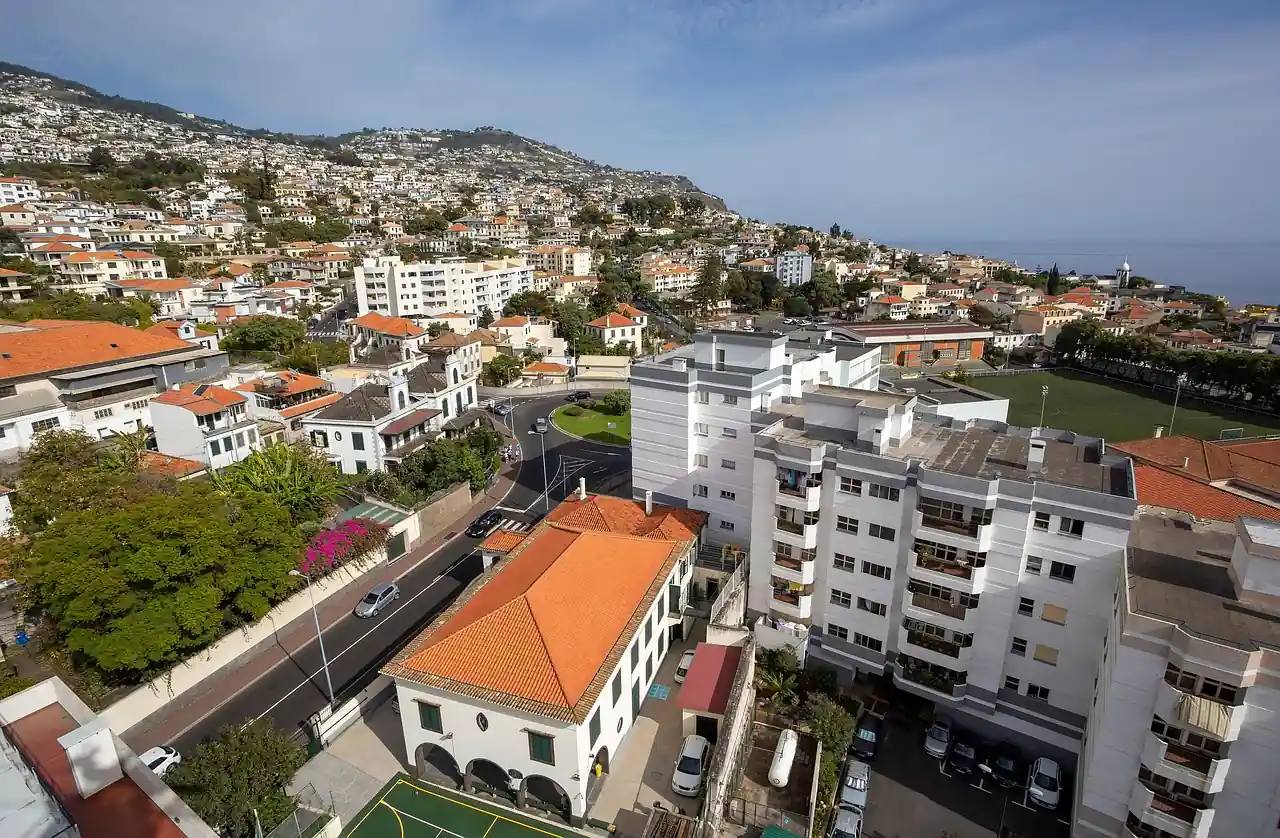
Best time to visit Madeira for a long stay
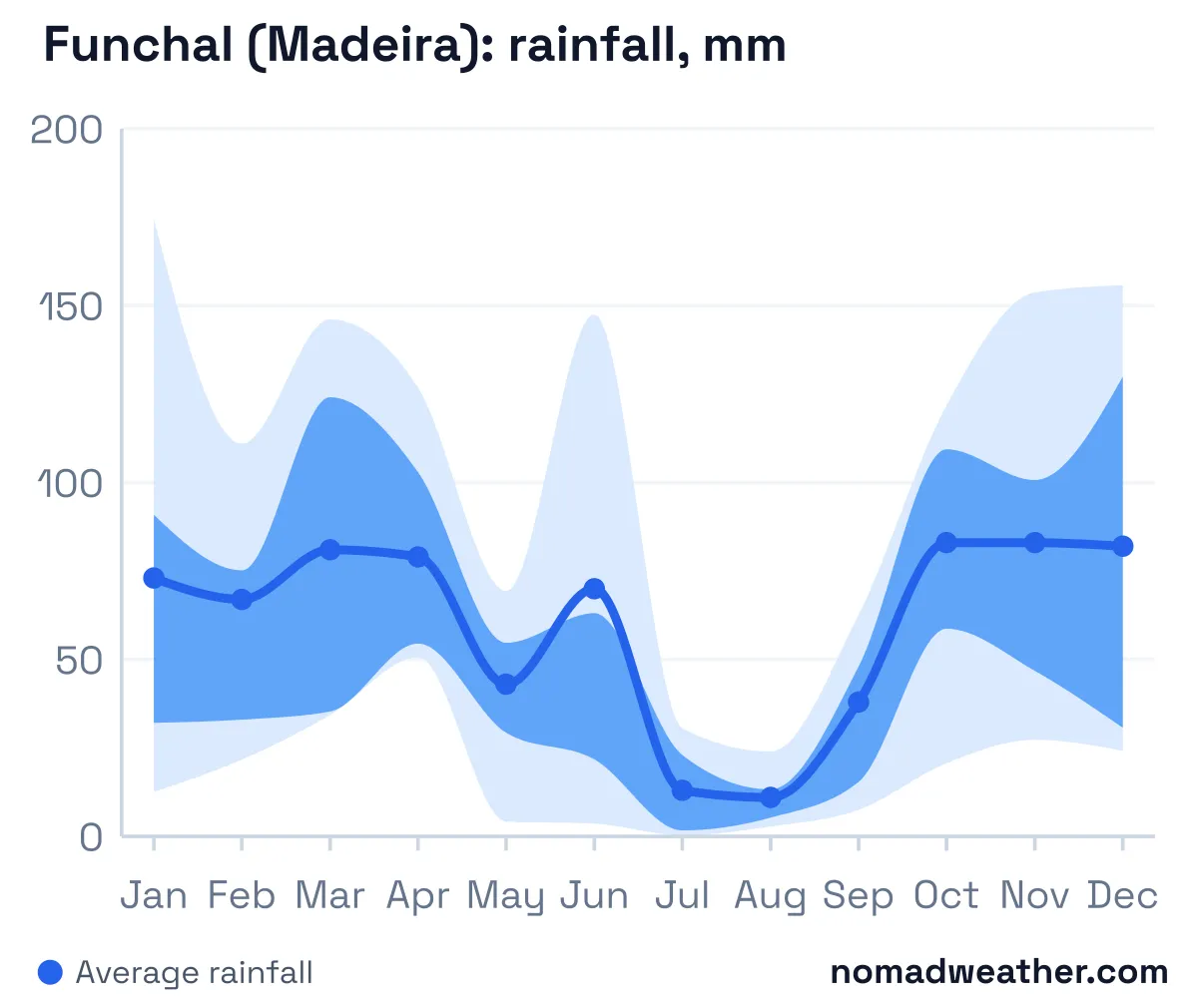
Funchal, on the south coast, is where our data comes from. For a stay of a month or more, the choice is between the dry months and the mild ones: July and August are the dry, warm peak (26° to 27° highs, 11 to 13 mm of rain), May and June are a milder, drying stretch, and October to March is the wet season, with 67 to 83 mm a month. September (38 mm) is the transition and the one month that is both warm and drying out. Temperature barely moves (18° to 27° by day), so rain and cloud decide the month. We hold no price or crowd data for Madeira, so this is the weather view only.
Where to be next month, by email
One email at the start of each month: where it's warm, dry and smoke-free next. We'll email you in early December to confirm, then once a month. Free, unsubscribe any time. Privacy
What is the weather in Madeira, month by month?
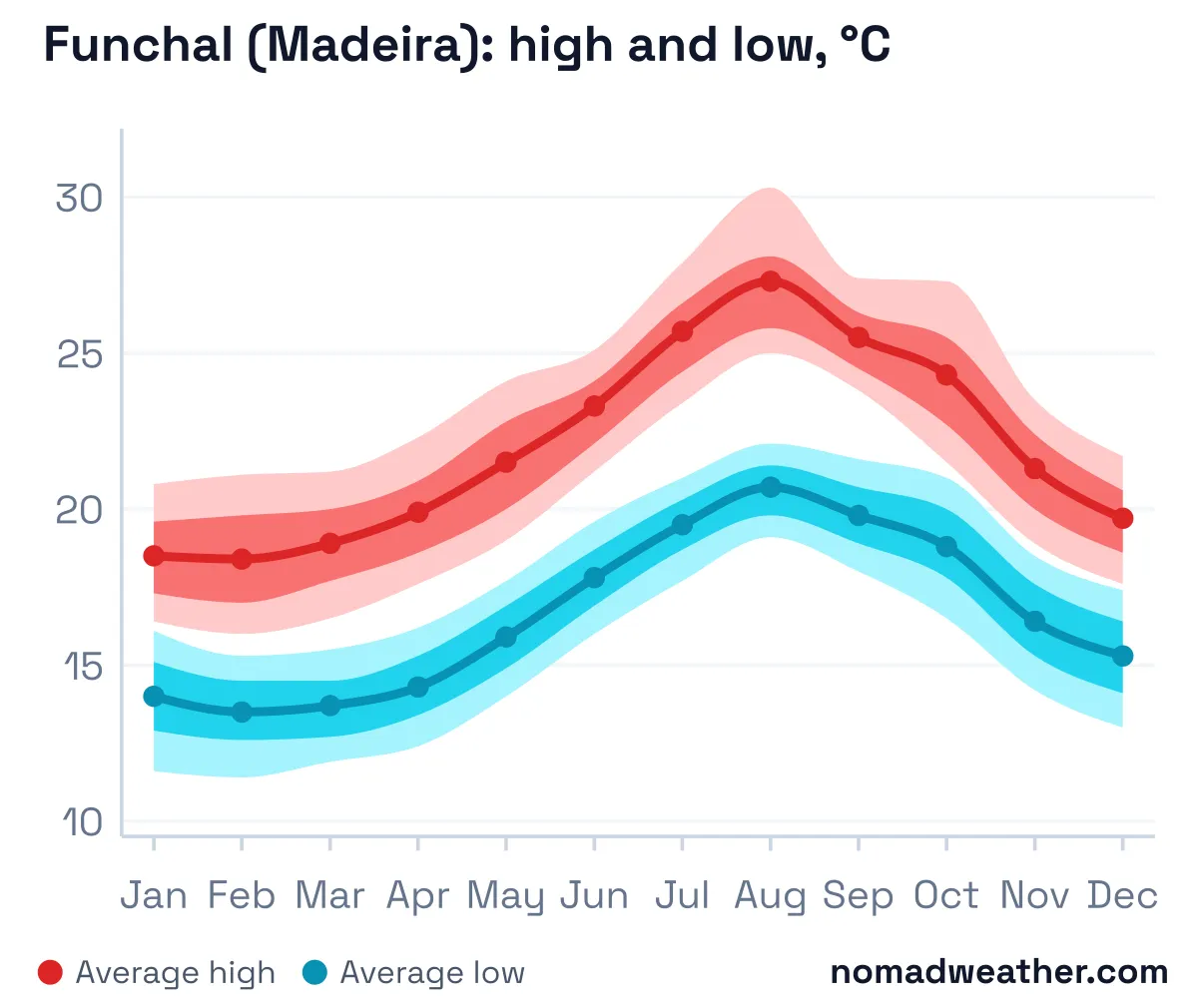
Mild all year, wet in winter, dry in summer. Funchal's average high only moves from 18°C in February to 27°C in August, which is why Madeira is sold as "eternal spring". The temperature is steady. The rain is not, and that is the part that decides when to go.
Funchal (Madeira): Average high and low temperature, °C
Funchal (Madeira): Rainfall, mm
Averages 2015-2025 · Source: Open-Meteo · How we measure
Our data point is Funchal on the south coast, averaged over eleven years. The north coast and the high interior are cooler and wetter, and we have no numbers for them.
Where to be next: your month-by-month route, $19
A route for your months with a leave-by date for each stop, a backup, and the seasonal traps on your path. Drafted from 11 years of weather data, every number checked against it, in your inbox within 48 hours. Not included: visas, insurance or bookings.
Madeira weather month by month: which months work for a long stay
Twelve months, one answer each, for Funchal on the south coast. Rain is the 11-year average for the month; "rain on about N days" turns our share of days with any rain into a number of days. Rain figures for April to June come from a weather model that spreads too much rain into spring on this island (see the note at the bottom).
Madeira in January
Wet and mild: 73 mm of rain, rain on about 6 days, a 19° high and 14° nights. Verdict: workable if you accept grey. Fine for laptop weeks with a walk when the sky clears; not the month for sunshine.
Madeira in February
The coolest high of the year: 18°, nights of 13° to 14°, 67 mm of rain on about 5 days. Verdict: workable. The least rain of the wet months, still damp, so washing dries slowly.
Madeira in March
Wetter again: 81 mm of rain, rain on about 9 days, a 19° high and 14° nights. Verdict: a gamble. Close to the wettest months (October to December are only 1 to 2 mm wetter), though days get slowly warmer.
Madeira in April
79 mm of rain on about 9 days, a 20° high and 14° nights. Verdict: a gamble. Our model reads April wetter than the Funchal weather station does, so treat it as the tail of the wet season and expect more dry days than the number suggests.
Madeira in May
The turn: rain falls to 43 mm on about 6 days, with a 22° high and 16° nights. Verdict: good. Mild, with about half of April's rain; the start of the drier half of the year.
Madeira in June
A 23° high and 18° nights. Our table says 70 mm of rain on about 6 days. Verdict: good, with a caveat. The weather station has June almost as dry as July; the model is least reliable on this steep island in June. Treat it as the start of the dry season.
Funchal weather in July
Dry and warm: 13 mm of rain, rain on about 2 days, a 26° high and 20° nights. Verdict: very good. Bright days and the most dependable month for outdoor plans.
Funchal weather in August
The warmest and driest month: a 27° high and 21° nights, 11 mm of rain on about 2 days. Verdict: very good. The best weather of the year; nights of 21° make a fan or air conditioning worth having.
Madeira in September
Warm and starting to turn: a 26° high and 20° nights, 38 mm of rain on about 7 days. Verdict: good. Still warm, with three times July's rain; the last easy month before the wet season.
Madeira in October
The wet season begins: 83 mm of rain on about 10 days, a 24° high and 19° nights. Verdict: a gamble. Still warm, but one of the three wettest months; plan work days that do not depend on the sky.
Madeira in November
83 mm of rain on about 7 days, a 21° high and 16° nights. Verdict: workable. Cooler and damp. The rain often comes in heavy bursts, with dry spells between.
Madeira in December
82 mm of rain on about 7 days, a 20° high and 15° nights. Verdict: workable if you want a mild winter, not sunshine. The Funchal weather station puts December ahead as the wettest month, so expect it to feel wetter than the other winter months.
When is Madeira dry?
July and August, and only those two. They are the one stretch that is both warm (26°C and 27°C) and clearly dry (13 mm and 11 mm, rain on 2 days each). September is the shoulder: still 26°C, but 38 mm and 7 rain days, three times July's rain.
Late spring is the quiet bargain. May has a 22°C high and 43 mm, and June 23°C. Our table puts June at 70 mm, but the Funchal weather station has June almost as dry as July: weather-model rain is least reliable on a small, steep island, and June is where it is furthest off. On the coast, treat June as the start of the dry season. May and June suit a mild, quiet month more than July and August, which are the busy, dear months. If you need reliably dry days for plans outdoors, book July or August.
When is it wet?
October to March. October, November and December are the wettest at about 83 mm a month (the weather station puts December ahead), and January to March still get 67 to 81 mm. April reads 79 mm in our data, but the station has it clearly drier than winter, so read April as the tail of the wet season.
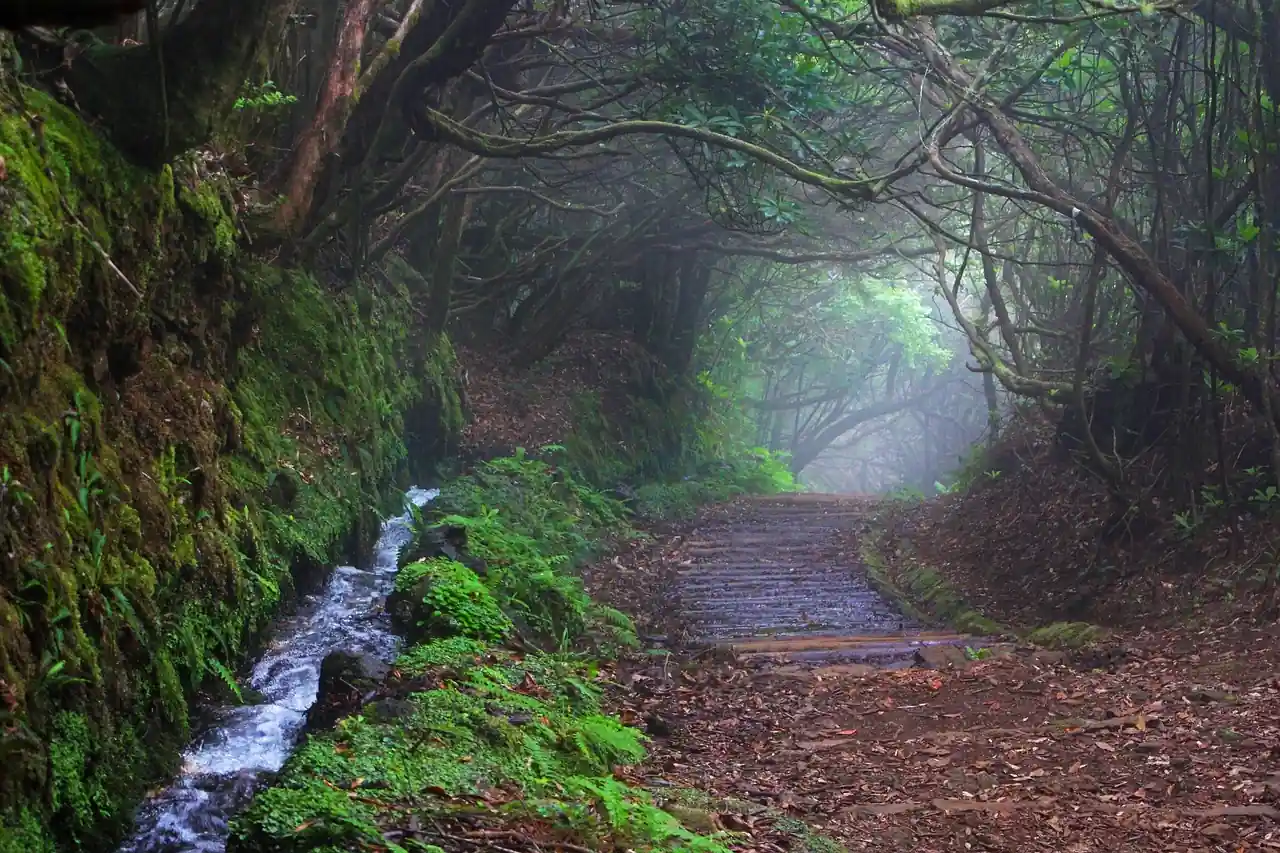
This catches people who read "year-round spring" and book a winter month. The rain often falls in heavy bursts, and the mountains inland are wetter than the coast. If your plan is eight hours at a laptop and a walk afterwards, a wet winter is workable. If you came for sunshine, it will disappoint.
How does winter in Madeira compare with the Canary Islands?
The Canaries are only about 1 degree warmer by day in January (20°C against Madeira's 19°C) and get a fifth of the rain. Lisbon, the other winter option for Europe-hours work, is colder (15°C) and has the same amount of rain as Madeira.
January averages, side by side
| Place | High | Low | Rain | Rain days |
|---|---|---|---|---|
| Madeira | 19° | 14° | 73 mm | 6 |
| Gran Canaria | 20° | 15° | 15 mm | 6 |
| Lisbon | 15° | 9° | 91 mm | 7 |
Averages 2015-2025 · Source: Open-Meteo, CHIRPS · How we measure
Rain, more than warmth, is the reason a winter-sun seeker picks the Canaries. Our Madeira or the Canary Islands in winter guide has every month from November to March, Canary Islands in January goes into one month, and where is warm in January shows what is warmer than all three. Only want Europe? See the warmest places in Europe in winter.
How grey is it, apart from the rain?
The sky changes with the rain. In winter the island is under cloud for about three days in five in January and the air is damp, so washing dries slowly and a flat can feel clammy. In July and August cloud falls to about a third of the sky and the days are bright. If you work from a flat with little daylight, the cloud matters about as much as the millimetres.
What would we do?
Madeira is a summer island that is mild in winter, not a winter-sun island. On weather alone:
- Warm and dry in Europe: July or August, expecting higher prices.
- A mild, quiet base: May or June, drier than winter and often cheaper.
- Winter sun: the Canaries, or further afield.
A particular month can be warmer, cooler or wetter than the average, and we do not forecast a given year.
A note on the numbers
Daily weather history from the Open-Meteo archive (CC BY 4.0) for Funchal's coordinates, grouped into month-of-year averages. For Madeira the monthly rain totals also come from that weather model, not from satellite data as for most of our places, because the satellite source reads several times too wet on such a steep island. The model's yearly total is close to the station's, but it spreads too much rain into spring and early summer. See Data Sources, the Madeira climate page or compare destinations.
Frequently asked questions
What is the average temperature in Madeira?
Funchal's average daytime high runs from 18°C in February to 27°C in August. Average nights run from 14°C in February to 21°C in August.
What is the best month to visit Madeira?
For warm and dry weather, July and August: highs of 26°C and 27°C and only 13 mm and 11 mm of rain. September is the transition month at 38 mm.
Is Madeira warm in winter?
Mild, not warm. Winter highs are 18°C to 20°C, and the island gets 67 to 83 mm of rain a month from October to March. The Canary Islands are warmer and drier; see the winter comparison.
What is the wettest month in Madeira?
October to December, all at about 83 mm a month in our data. The Funchal weather station puts December ahead, so treat the three as equally wet.
Not sure where yet? Pick your months and what to avoid, and get your 3 best places → Where should I go?
Weather data: Open-Meteo (CC BY 4.0), open-meteo.com; rain totals: CHIRPS (Climate Hazards Center, UC Santa Barbara); Funchal (Madeira): Open-Meteo. Processed by NomadWeather from stored copies of the data.