
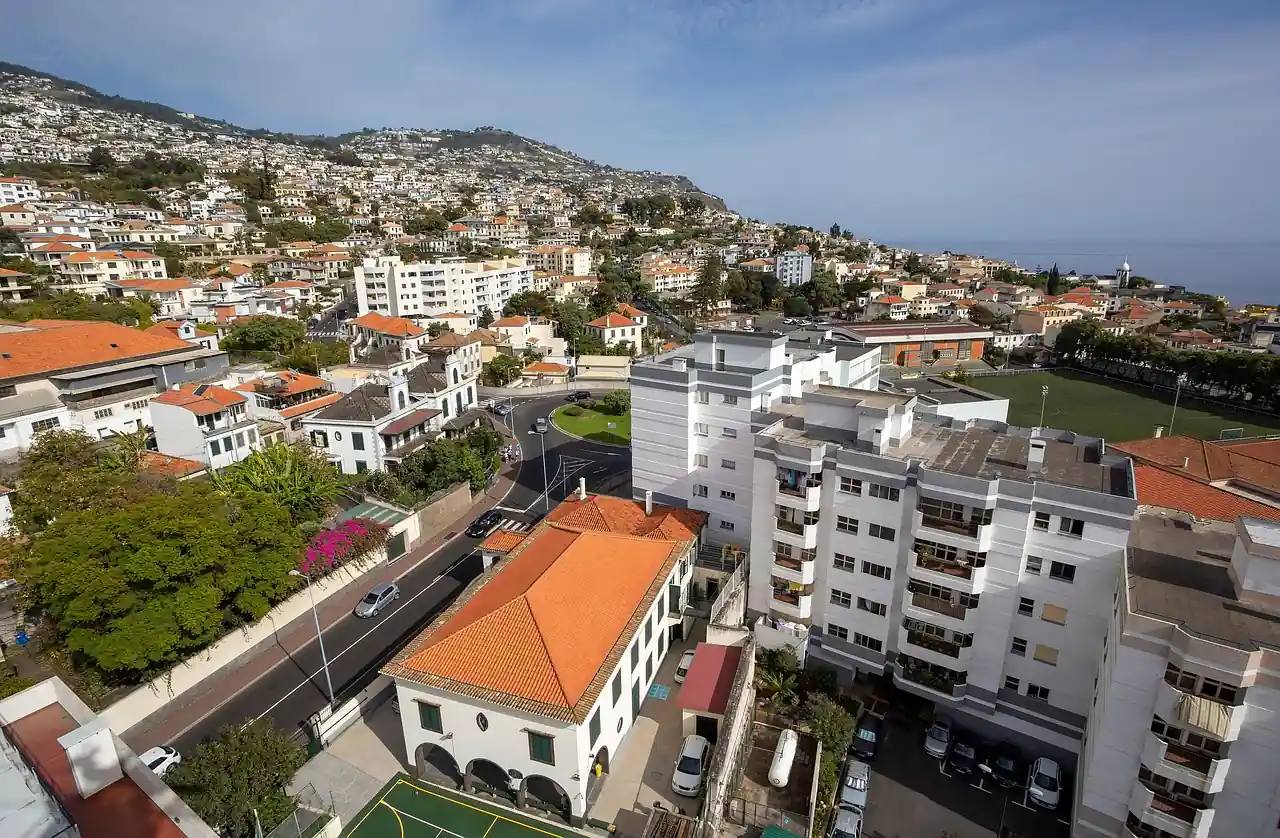
Which is better in winter, Madeira or the Canary Islands?
For weather, the Canary Islands, and the reason is rain, not warmth. From November to March they are 1 to 2 degrees warmer by day and get 7 to 29 mm of rain a month, against 67 to 83 mm in Madeira. January is the month people ask about, so here it is side by side:
January, head to head
Gran Canaria
- High
- 20°
- Rain
- 15 mm
- Rain days
- 6 of 31
Pick this if you want mild, dry days and only a light jacket
Madeira
- High
- 19°
- Rain
- 73 mm
- Rain days
- 6 of 31
Pick this if you want green hills and quiet trails, and can work through a wet month
Averages 2015-2025 · Source: Open-Meteo, CHIRPS · How we measure
We hold no sea temperature, so swimming is not compared here. For each island on its own, see Canary Islands weather by month and best time to visit Madeira.
Where to be next: your month-by-month route, $19
A route for your months with a leave-by date for each stop, a backup, and the seasonal traps on your path. Drafted from 11 years of weather data, every number checked against it, in your inbox within 48 hours. Not included: visas, insurance or bookings.
Which is warmer in winter?
The Canary Islands, in every month from November to March, but only by 1 to 2 degrees. Las Palmas has a 23° average high in November, 21° in December and 20° from January to March. Funchal in Madeira has 21°, 20°, 19°, 18° and 19°. Nights are close too: 14° to 18° in the Canaries and 14° to 16° in Madeira.
Neither is beach weather by our numbers. A 20° day is a light-jacket day, and a 14° night is a jumper night.
Which is drier, and is it the same kind of rain?
The Canaries are much drier. Monthly totals run from 7 mm in March to 29 mm in February in Las Palmas, against 67 to 83 mm every month in Funchal, where they barely move. One caution on the Canaries: our February total is higher than the station normal for Las Palmas, which puts January and February at roughly the same low level. Treat both as dry on average, with February the likelier to bring a wet spell.
Rainy days look closer than the millimetres: about 5 to 7 a month in the Canaries and 5 to 9 in Madeira. Don't read much into that. Our rainy days and our rain totals come from different sources for these two places, so lean on the millimetres. A Madeira winter day can start bright and end in a heavy shower, and the mountains inland are wetter than the coast.

Is Madeira worth it in winter at all?
For a remote worker who wants green hills, a quiet island and mild days, yes. For someone chasing sun, no. Madeira's wettest stretch is October to December, at about 82 mm a month, which is the opposite of the "eternal spring" line on tourism pages. Its real dry season is summer, with very little rain in July and August. If Madeira is the island you want, plan it for summer.
Which month is best on each island?
- Canary Islands: March is the driest at 7 mm and about as warm as January and February. November is the warmest at 23°.
- Madeira: February has the least rain of the winter months, 67 mm, but it is also the coolest, at 18°. There is no winter month that is both warm and dry.
Is anywhere warmer than both?
Yes, and a page about winter sun should say so. In January Goa has a 32° high and 2 mm of rain, and Chiang Mai a 27° high, with no beach but little rain. Lisbon is cooler than both islands, at a 15° high with 91 mm of rain. See where is warm in January for the ranked list.
January averages, side by side
| Place | High | Low | Rain | Rain days |
|---|---|---|---|---|
| Madeira | 19° | 14° | 73 mm | 6 |
| Gran Canaria | 20° | 15° | 15 mm | 6 |
| Lisbon | 15° | 9° | 91 mm | 7 |
| Goa | 32° | 20° | 2 mm | 1 |
| Chiang Mai | 27° | 16° | 8 mm | 2 |
Averages 2015-2025 · Source: Open-Meteo, CHIRPS · How we measure
What should a remote worker do?
Our take, on weather alone:
- Want mild, dry winter weather: the Canary Islands. The weather barely changes from December to March, and like Madeira they keep Lisbon's time.
- Want green, dramatic scenery and will accept rain: Madeira, knowing that about 70 to 80 mm falls in most winter months. Pack for a wet month.
- Want warm enough to swim: neither; go to Goa, Southeast Asia or the Caribbean.
- Not sure: book one month first and decide whether to stay.
We hold no sea temperature, sunshine-hour or wind data, so this page says nothing about swimming, sun hours or hiking conditions.
How we got these numbers
Eleven years of weather, averaged by month, stored on NomadWeather: temperatures and rainy days from Open-Meteo (CC BY 4.0); monthly rain totals from CHIRPS (satellite and rain-gauge data) for the Canaries, and from the Open-Meteo weather model for Madeira, where the satellite source reads several times too wet on a steep island. Our Canary Islands point is Las Palmas on the north-east coast of Gran Canaria, which reads cooler than the airport station and cooler than the south of the island; our Madeira point is Funchal on the south coast, and the north and the mountains are cooler and wetter. A rainy day is a day with at least 2 mm of rain, which matches what rain gauges count. A particular winter can be warmer, cooler or wetter than the average, and we do not forecast a given year.
Frequently asked questions
Is Madeira or the Canary Islands warmer in winter?
The Canary Islands, but only slightly. From November to March the average high is 20° to 23° in Las Palmas against 18° to 21° in Funchal, a gap of 1 to 2 degrees in every month.
Which has less rain in winter, Madeira or the Canaries?
The Canaries, by a wide margin: 7 to 29 mm a month from November to March, against 67 to 83 mm in Madeira.
Is Madeira worth visiting in winter?
If you want mild days, green hills and a quiet island, yes. If you want dry, sunny weather, no: October to March is Madeira's wet season, and its dry months are July and August.
Which is better for remote work in winter?
On weather alone, the Canaries: a little warmer and far drier, on the same time as Madeira and Lisbon. Madeira only if you accept about 70 to 80 mm of rain a month.
Is anywhere warmer than both in winter?
Yes. In January Goa has a 32° high and Chiang Mai 27°, both with far less rain, if you can handle the flight and the time-zone change.
Not sure where yet? Pick your months and what to avoid, and get your 3 best places → Where should I go?
Weather data: Open-Meteo (CC BY 4.0), open-meteo.com; rain totals: CHIRPS (Climate Hazards Center, UC Santa Barbara); Funchal (Madeira): Open-Meteo. Processed by NomadWeather from stored copies of the data.