
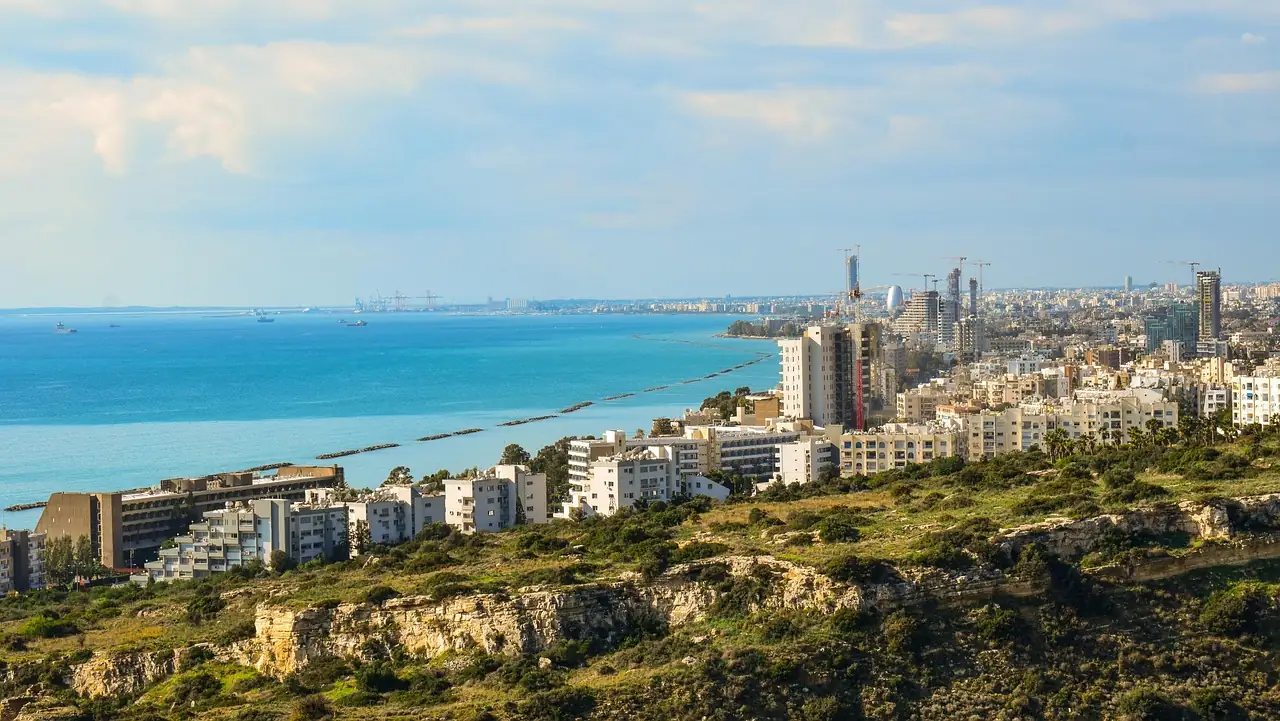
Cyprus weather in January: how cold and wet is it?
Cool and damp, with the odd bright day. From 11 years of daily data, as of 21 November 2026:
Cyprus, December to March
| Month | High °C | Low °C | Rain mm | Rain days |
|---|---|---|---|---|
| Dec | 18° | 11° | 111 | 7 |
| Jan | 16° | 9° | 90 | 8 |
| Feb | 17° | 9° | 62 | 5 |
| Mar | 19° | 11° | 43 | 4 |
Averages 2015-2025 · Source: Open-Meteo, CHIRPS · How we measure
January averages a 16°C high and a 9°C low, with 90 mm of rain on about 8 of 31 days. Humidity is near 70% and cloud covers about 44 percent of the sky, the highest cloud figure of the winter.
Cyprus: Average high and low temperature, °C
Cyprus: Rainfall, mm
Averages 2015-2025 · Source: Open-Meteo, CHIRPS · How we measure
Where to be next: your month-by-month route, $19
A route for your months with a leave-by date for each stop, a backup, and the seasonal traps on your path. Drafted from 11 years of weather data, every number checked against it, in your inbox within 48 hours. Not included: visas, insurance or bookings.
Is January worth it for winter sun?
Only if "sun" means escaping a northern winter rather than sunbathing. A 16°C day is warm next to a British or German January, but the daytime number flatters it: with a 9°C night and 70% humidity, an unheated stone flat feels colder than the figure. If warm days are the aim, the Canary Islands are the better pick; see warmest places in Europe in winter.
Where to be next month, by email
One email at the start of each month: where it's warm, dry and smoke-free next. We'll email you in early December to confirm, then once a month. Free, unsubscribe any time. Privacy
January or December?
December is warmer and wetter, 18°C and 111 mm. January is the coldest month, with a little less rain, 90 mm. The step down is small, so choose on dates and price, not weather.
January or February?
February is better: 17°C, 62 mm of rain on about 5 days and a clearer sky. If you can wait four weeks, wait. See Cyprus in February.
Who should go in January?
Visitors who want quiet, low prices, hiking and old towns and who will not mind a wet afternoon. It suits a short break from a cold country better than a month of beach work.
What would be better in January?
Madeira, Málaga and the Canary Islands are all warmer or drier in our data. See Málaga in winter and where is warm in January. Inland and higher, the Troodos mountains are much colder than the coast.
Is it good for working remotely?
Possible, with a flat that has real heating. Ask how it is heated and whether the monthly rate includes electricity before you commit (this is advice, not data from our tables). This page covers weather only.
What should I pack?
A proper coat for the evening, a waterproof layer, warm socks for the flat and a lighter top for lunchtime sun.
Why is January wetter than February?
The winter storm track over the eastern Mediterranean is usually most active in December and January and fades toward spring, which fits the fall from 90 mm to 62 mm. We hold no storm-track data, so this is the usual pattern, not a figure from our tables.
What does a typical week look like?
Two rainy days, a mix of cloud and sun, and cold nights. The average describes the month, not a specific week, and a given January can be much wetter or drier.
How should I book a January stay?
Book a flat, not a hotel room by the sea, if you plan more than a week, and ask for the monthly rate. Many places drop prices sharply outside summer. Check for working heating (air-conditioning units that also heat are common), whether electricity is billed separately and whether the walls show damp. Keep dates flexible: a week that falls in the second half of the month is usually a little drier than the first, though a given year can differ.
What can you do on a wet day?
Cyprus has museums, covered markets, old-town cafés and wineries in the foothills, so a rainy day need not be lost. About 8 days in 31 have rain, usually in bursts rather than all day. Plan one indoor option for each outing, and check the forecast the evening before.
Is January good for hiking?
On the coast, yes: cool air is better for walking than summer heat. Paths in the hills can be muddy after rain, and the Troodos mountains inland are much colder, so check conditions separately before heading up. Wear shoes with grip and carry a warm layer, since the temperature falls quickly in the evening.
How sure are these numbers?
They are month-of-year averages for one point near Limassol on the south coast, from stored climate data (Open-Meteo archive and CHIRPS rain totals), so a given month can be wetter or drier. Rain days are an estimate from the chance of rain in our model. The Troodos mountains inland are much colder than the coast. See Data Sources.
Frequently asked questions
What is the weather in Cyprus in January?
Cool and wet: a 16°C high, a 9°C low, 90 mm of rain on about 8 days and cloud near 44 percent.
Is Cyprus warm in January?
Mild by day, cold at night. A 16°C high is warmer than most of northern Europe but too cool for the beach, and a 9°C night needs heating.
Is January the coldest month in Cyprus?
Yes in our data: 16°C by day and 9°C at night, a degree or two below December and February.
Is Málaga warmer than Cyprus in January?
Slightly: a 17°C high against 16°C, and with less rain. See Málaga in winter.
Not sure where yet? Pick your months and what to avoid, and get your 3 best places → Where should I go?
Weather data: Open-Meteo (CC BY 4.0), open-meteo.com; rain totals: CHIRPS (Climate Hazards Center, UC Santa Barbara). Processed by NomadWeather from stored copies of the data.